

Students in the 21st Century need opportunities to develop a wide variety of executive function skills to prepare for success. Among these are crucial abilities like collaboration, task management, prioritization, and flexible thinking.…
Author: <span>Sheldon Soper</span>
Studying over the summer isn’t fun. Sure there are ways to try and make it more exciting with games and engaging multimedia content, but for the most part, students study…
Sean Covey made a big splash in the world of self-help writing with his best-selling 1989 book, The 7 Habits of Highly Effective People. Often placed on a pedestal next to other classics like Dale Carnegie’s How to Win Friends and Influence People, Covey’s 7 Habits… created a recipe for personal and professional success that has transformed the lives of those who have read and followed its sage, yet practical advice.
The concepts are simple ones, yet can take on powerful meaning with the right perspective.
The Teenage Take
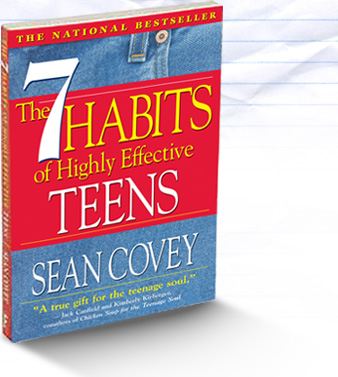
Covey has followed up on the success of 7 Habits… with a variety of other books built around numbered lists of habits, decisions, and reflections. One of the best of these follow-ups is The 7 Habits of Highly Effective Teens.
Back at the beginning of May, I wrote a piece about the positive impacts of music as an educational tool in the classroom. As school is winding down, I couldn’t help but reflect upon how influential music has been in my life. In most of these cases, what I learned from music came from moments outside of school.
Whether it’s singing karaoke, rocking out with a guitar, or pounding away on a cow bell, playing music can be a powerful experience. It can spark emotion, foster creativity, increase student engagement, and even make you smarter!
However, there is truly a magical quality to playing music when it is done with others. While playing music involves instruments and developing some fundamental skills, even novices can reap the benefits of finding ways to harmonize and create together.
The Power of Musical Journeys
Growing up in a musical family, I’ve always had access musical instruments and the encouragement to learn to play them. I spent hours in my room practicing for my clarinet lessons, noodling around on keyboards, and teaching myself guitar. While these efforts were personally rewarding, they pale in comparison to the experiences I’ve had playing music with others.
Video games are continuing to grow as a mainstream form of entertainment. Whether it’s tapping away on a smartphone or mashing the buttons on a controller, kids (…and adults) are increasingly turning to interactive entertainment over more passive activities like watching TV or movies.
Along with this rise comes the recurring complaints about the negative impacts video games are having on our society: a lack of social skills, overexposure to violent and mature themes, addictive obsession, general lethargy.
While these arguments certainly hold water in certain contexts, at their root they tend to blame video games for larger underlying issues.
The fact of the matter is that video games are not the enemy. In actuality, video games can be the catalyst for meaningful growth and relationship building. When it comes to video games (as with most things in life) moderation and personal accountability are key.