
From the outset of my teaching career, integrating technology into my lessons has remained a constant priority. Whether it was piloting SmartBoards in a district elementary school, using iPads to digitize workflows, or making the switch to Chromebooks, technology has been at the forefront of how I prepare and deliver content to students. Lately, however, I have seen value in a switch back to a more analog-focused learning environment.
differentiated instruction
The Constantly Evolving Role of the School Librarian

From: The Association for Library Service to Children (ALSC) Blog – Guest Post on behalf of Teach.com – July 5, 2017 – by Sheldon Soper The educational landscape is awash with initiatives to make learning more authentic and problem-based. For these differentiated approaches to work, students and teachers need networks of support to ensure that students can … Read more
Making Project-Based Learning Authentic

GettingSmart.com GUEST COLUMN | by Sheldon Soper: Students who participate in high-quality project-based learning develop skills, processes and products that are an ideal match for the demands of the 21st-century, but creating authentic projects is key for engaging them. Read more at GettingSmart: Making Project-Based Learning Authentic | Getting Smart
Using Learning Styles to Reach Students
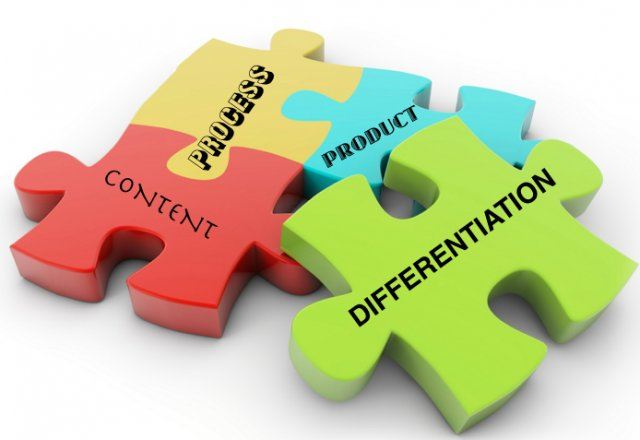
HowToLearn.com GUEST COLUMN | by Sheldon Soper There has been plenty of pushback against the claims that learning styles are a sure bet when it comes to facilitating student understanding. As with everything in education, there is no panacea to make learning magically happen. However, that does not mean learning styles have no place in … Read more
A Fair Opportunity for Success

Prevent technology gaps from creating achievement gaps. EdTech Digest GUEST COLUMN | by Sheldon Soper Technology-driven classroom workflows need analog components to ensure students without reliable access to technology outside of school are not left out. Otherwise, the technology gap between those with access and those without will quickly manifest as an achievement gap. Read … Read more